Transforming Corporate Environments with Advanced Sound Technologies for Enhanced Consumer Interaction
Contemporary commercial areas growingly depend on technology to develop spaces that are both practical and engaging. Among the most useful tools for improving these environments are integrated acoustic solutions. These systems provide organizations to deliver consistent and high-quality acoustics across retail sections, workspaces, or hospitality locations. By adopting networked audio technologies, companies can control background music, messages, and sound prompts from a centralized interface, ensuring every section of the environment maintains the intended atmosphere. The purposeful use of acoustics adds to customer experience and enjoyment, which is key for keeping visitors and promoting repeat visits.
Connected acoustic technologies also offer a key function in optimizing workflow. For large commercial areas or multi-level commercial structures, handling audio individually can be cumbersome and variable. Networked solutions deliver centralized command, allowing staff to adjust audio settings, program audio tracks, or send notifications immediately to multiple zones. This capability of control minimizes the need for manual management and guarantees that all sections experience the uniform level of audio. Organizations can also integrate monitoring systems with these networks to track audio usage and enhance audio performance, moreover improving the overall client and staff engagement.
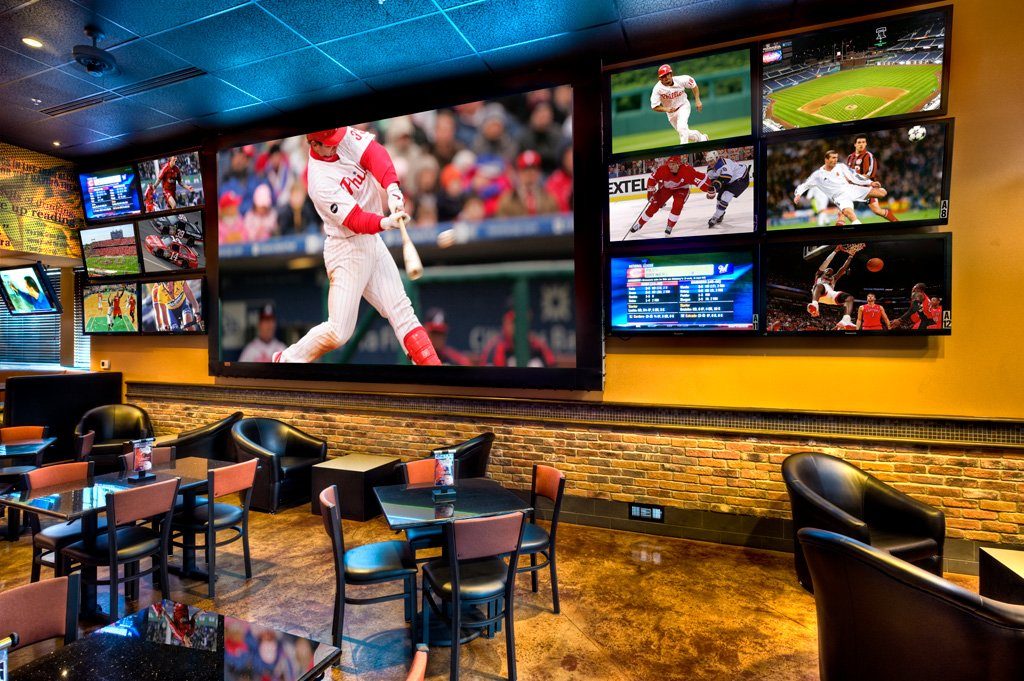
Another significant factor of networked acoustic technologies is their contribution to brand identity. Audio strategy is a nuanced yet influential tool that affects perception and engagement. Strategically selected ambient sound and acoustic signals can reflect a brand’s image, making the space appear inviting and refined. For illustration, businesses can use selected sound styles or tempos to encourage longer browsing times, while visit the site restaurants can adjust background music to enhance meal experiences. The uniformity of sound throughout all zones of a company supports create a integrated environment that enhances both branding and operational objectives.
Safety and accessibility are further advantages of connected sound solutions in commercial environments. These systems can be connected with alert systems to deliver precise guidance during emergencies or urgent situations. Reliable sound coverage guarantees that every area of the building receives alerts simultaneously, reducing uncertainty and improving protection measures. Furthermore, acoustic solutions can provide inclusive functions, such as voice-assisted guidance or hearing-impaired-friendly alerts, enhancing the usability of the facility. Integrating these capabilities reflects a dedication to both client satisfaction and regulatory compliance.
Finally|Ultimately|In conclusion, investing in integrated acoustic solutions delivers sustainable benefits for companies. Beyond immediate enhancements to consumer engagement, these solutions provide expandability, reliability, and adaptability as commercial spaces evolve. Enhancing or modifying sound systems can be implemented without disruptive interruption, and the capacity to adjust sound settings maintains that organizations can adapt try this site quickly to changing needs or expectations. By utilizing advanced audio solutions, organizations can deliver inviting, efficient, and well-managed spaces that elevate both client experience and business efficiency, making these technologies an critical component of contemporary retail planning.